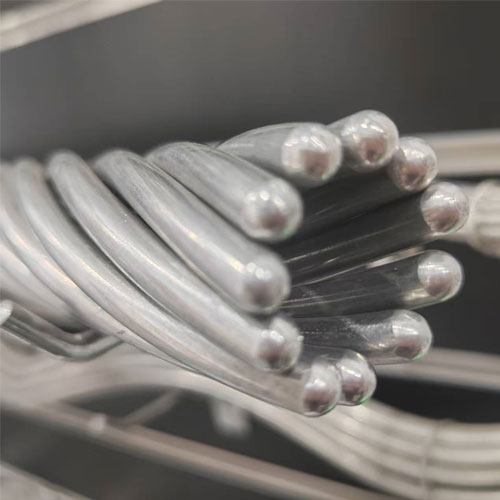
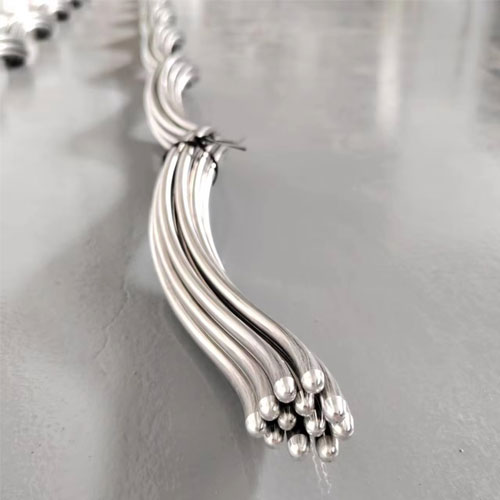
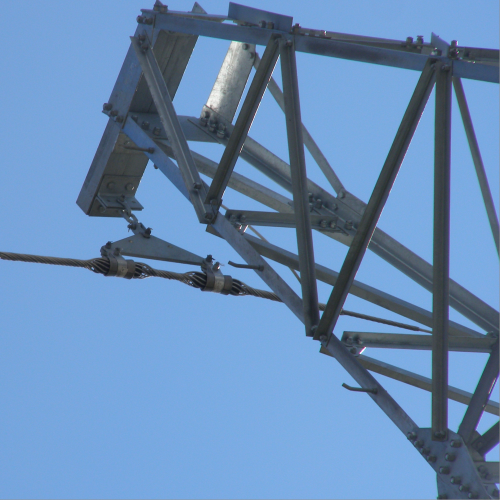
The working logic of ADSS dead end tension clamp is a balance between safely transmitting tension and protecting the optical cable from damage. During operation, the ADSS optical cable needs to withstand tension fluctuations caused by its own weight, wind load, icing load, and temperature changes. If these tensions directly act on the connection point of the optical cable and the tower, it can easily lead to local stress concentration of the optical cable, rupture of the outer sheath, and even fracture of the optical fiber. Through the special structural design of the ADSS dead end tension clamp, the overall tension of the optical cable will first be evenly dispersed to multiple force points inside the clamp, and then the tension will be stably transmitted to the horizontal support of the tower through the anchoring components, realizing the transformation from dispersed force to centralized transmission. The key to this process lies in grip control. The grip of the ADSS dead end tension clamp on the optical cable needs to accurately match the rated tensile strength of the optical cable. It can neither cause the optical cable to slide under tension due to insufficient grip, nor damage the outer sheath and internal optical fiber of the optical cable due to excessive grip. For example, when the tension of the ADSS optical cable increases from 10kN to 18kN due to icing, the clamp block of the ADSS dead end tension clamp will be slightly adjusted through its own elastic deformation, so that the grip strength increases synchronously but does not exceed the tolerance limit of the optical cable. At the same time, the anchoring bolts will remain stable and fastened to avoid loosening of the connection between the clamp and the tower, and to achieve safe transmission of tension.
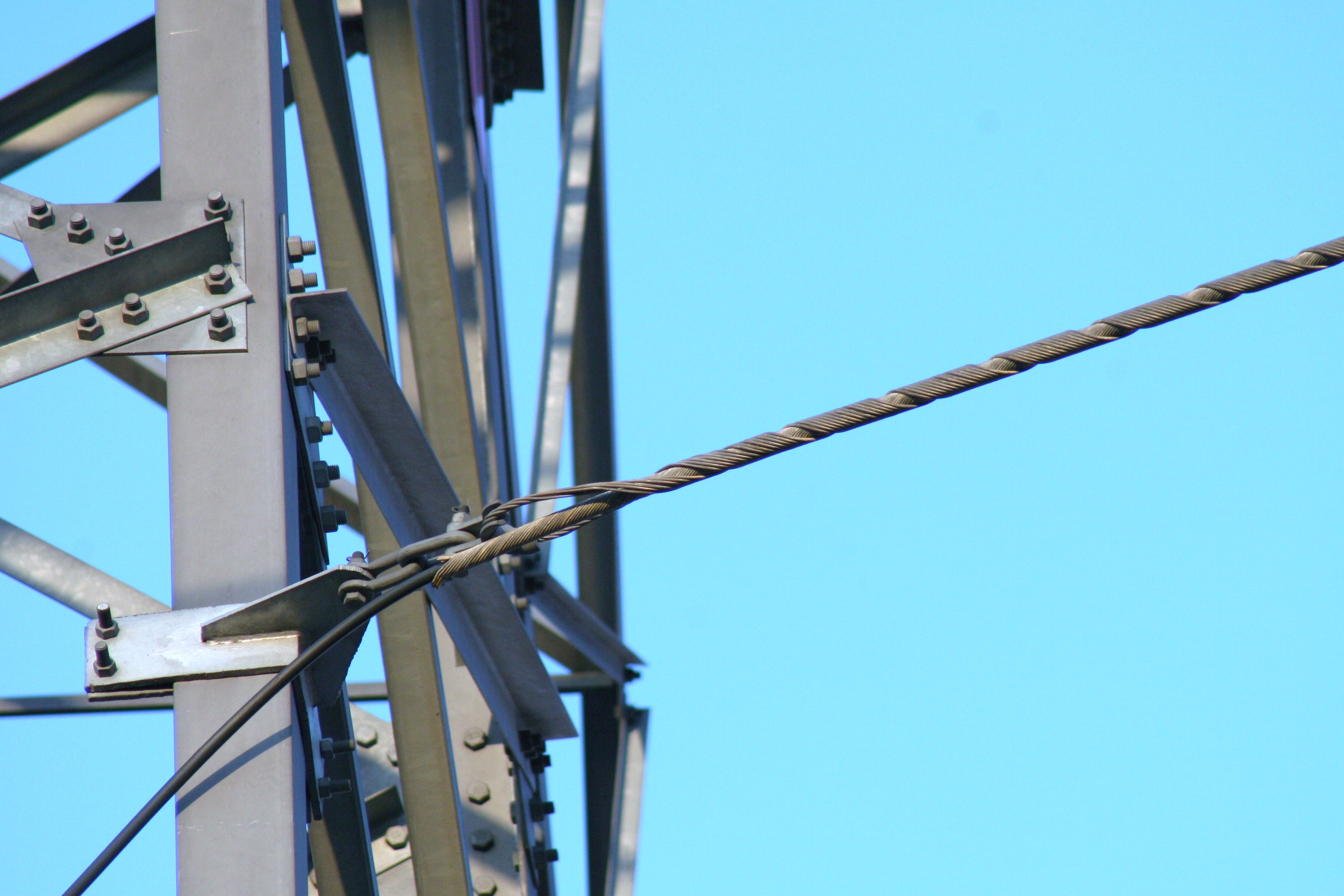
Under different working conditions, ADSS dead end tension clamp will dynamically adjust its working state through the characteristics of its own structure and material to adapt to complex environments. Under the action of wind load, the ADSS optical cable will produce lateral vibration. If the vibration is transmitted directly to the clamp, it will easily cause fatigue damage to the connection point between the clamp and the optical cable. At this time, the rubber liner of the clamp clamping unit will play a cushioning role, absorbing vibration energy through its own elastic deformation, and reducing the impact of vibration on the optical cable. At the same time, the connecting parts of the tie rod and the anchoring plate are flexibly designed to allow slight lateral displacement and avoid stress concentration caused by vibration. In the scenario of severe temperature changes, the length of the ADSS optical cable will change due to thermal expansion and contraction, resulting in tension fluctuations. The clamping unit of the ADSS dead end tension clamp will slightly adjust the spacing of the clamp blocks with the expansion and contraction of the optical cable, and the elasticity of the rubber liner will compensate for the slight changes in the diameter of the optical cable, so that the grip is always stable. Metal parts are accurately matched by the coefficient of thermal expansion to avoid structural deformation caused by temperature changes and affect tension transfer. Under the condition of re-icing, the tension of the optical cable increases significantly. At this time, the anchoring bolts of the clamp will be tightened by virtue of the self-locking function of the lock nut, and the clamp block of the clamping unit will be further tightened due to the increase in tension, and the grip strength will be increased synchronously, so that the optical cable will not slide until the re-icing melts, the tension returns to normal, and the clamp will return to its initial working state.
As a professional supplier, our ADSS dead end tension clamp has been strictly verified in terms of work reliability and scene adaptability, which perfectly meets the needs of B-side buyers. For B-terminal buyers, we can also provide professional technical support. According to the customer's ADSS optical cable parameters, tower type and working conditions, the best working parameters of the clamp are calculated through mechanical simulation software, and the applicable model is recommended.