News

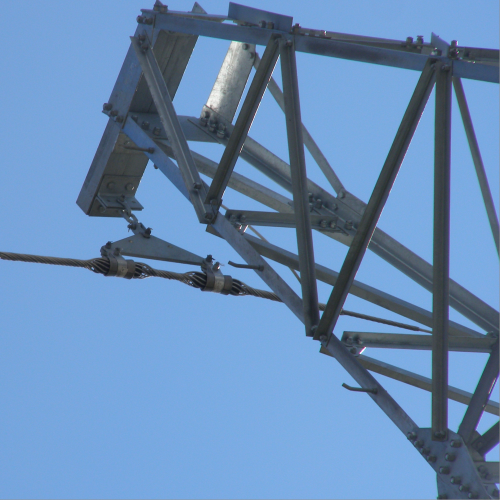
  • The connection part of the wire and the fittings is the key area for the installation of spiral vibration damper, because this part is the place where the vibration stress of the wire is most concentrated. When the wire vibrates, the metal fittings as the fixed end will limit the displacement of the wire, resulting in greater bending stress and fatigue damage at the connection between the wire and the metal fittings. This is also a high-incidence area of wire strand failure. Therefore, spiral vibration damper is usually installed on both sides of the wire close to the fittings, and the specific distance needs to be determined according to the type of fittings and the diameter of the wire.
    2025-12-31
    More
  • From the point of view of the operation of the transmission line, the necessity of spiral vibration damper​ is reflected in the precise suppression of breeze vibration. From the perspective of the whole life cycle cost that buyers are most concerned about, the investment of spiral vibration damper is an important part of achieving long-term cost optimization.
    2025-11-26
    More
  • According to statistics from the International Energy Agency, the annual maintenance cost of power equipment caused by wire vibration exceeds 3 billion U.S. dollars, and the loss of power outages caused by failures is even more difficult to calculate. At this time, the effect of spiral vibration damper​ appeared. Spiral vibration damper is not a simple buffer device, but through specific structural design and material characteristics, it actively cancels the vibration energy of the wire and cuts off the hidden dangers of failure from the source.
    2025-11-15
    More
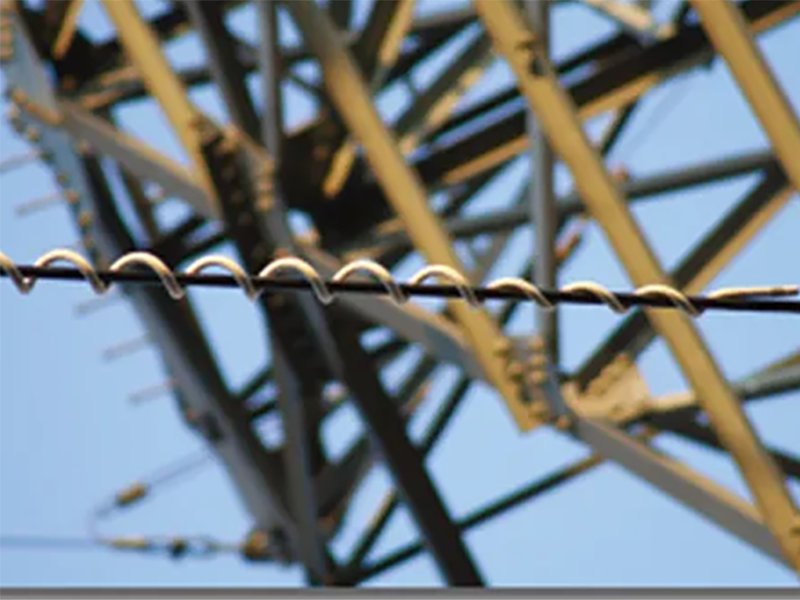
  • ​The working principle of spiral vibration damper is to weaken the vibration energy generated by the overhead wire under the action of wind through the dual effects of energy dissipation and vibration suppression, so as to prevent vibration from causing damage to the wire and related metal fittings. When the wind blows through the overhead wire, periodic eddy currents will form on the back of the wire. This eddy current will produce alternating pneumatic forces on the wire, causing the wire to vibrate laterally perpendicular to the wind direction, which is the breeze vibration. The frequency of this vibration is higher and the amplitude is small, but the long-term continuous effect will cause the wire to produce repeated bending stress at the suspension point, connecting fittings and other parts, resulting in fatigue and fracture of the wire, and it will also intensify the wear between the fittings and the wire, shortening the service life of the equipment. Spiral vibration damper can effectively suppress breeze vibration in response to this problem through special structural design and material selection.
    2025-10-30
    More
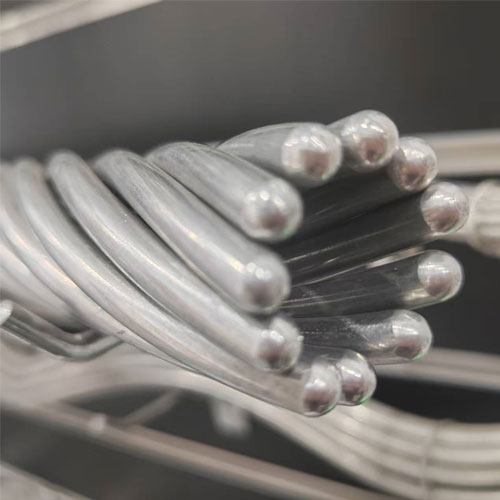
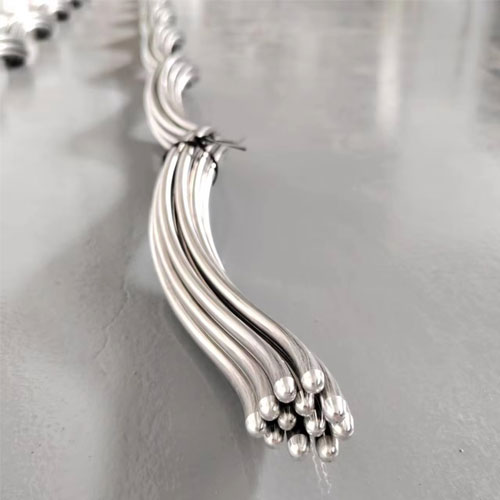
  • Spiral vibration damper is a professional device used on overhead transmission lines to suppress the breeze vibration of wires. Under the action of a stable breeze, the wires of overhead transmission lines will produce periodic vibration perpendicular to the direction of the line, which is what we call breeze vibration. This seemingly slight vibration, if it persists for a long time, will cause metal fatigue of the wire, which will cause serious problems such as broken strands and disconnections, and pose a great threat to the safety and stability of power transmission. Through its unique structural design and physical principles, spiral vibration damper can effectively consume vibration energy and control the vibration amplitude of the wire within a safe range, thereby extending the service life of the wire and ensuring the reliable operation of the power system.
    2025-10-15
    More
  • The working principle of spiral vibration damper is based on the energy dissipation theory of mechanical vibration. When the wires of an overhead transmission line vibrate under external forces such as wind, the anti-vibration whip will move synchronously with the vibration of the wires.
    2025-10-09
    More

Get the latest price? We will reply as soon as possible (within 12 hours)