
Where is spiral vibration damper installed? This is a very meaningful question. The installation location of spiral vibration damper will directly determine the anti-vibration effect. If the installation location is improper, even if the product has excellent performance, it will be difficult to effectively suppress the vibration of the wire, and it may even aggravate the line damage due to the mismatch of the resonance frequency. For B-side buyers, accurately mastering the installation location principle of spiral vibration damper is a key link to make the transmission project land safely and reduce the later operation and maintenance costs. Judging from the practical experience of the global power industry, the installation location of spiral vibration damper needs to be comprehensively judged based on various factors such as wire type, metal structure, and line environment.
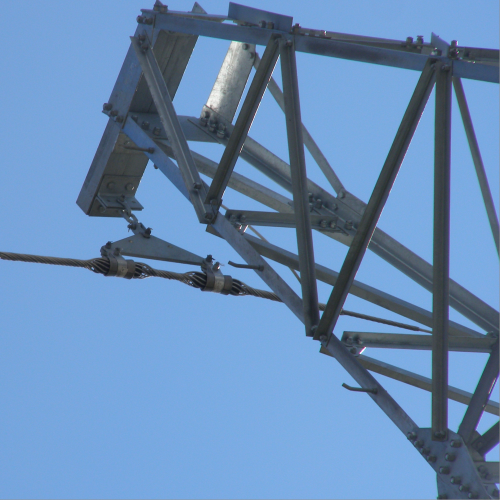
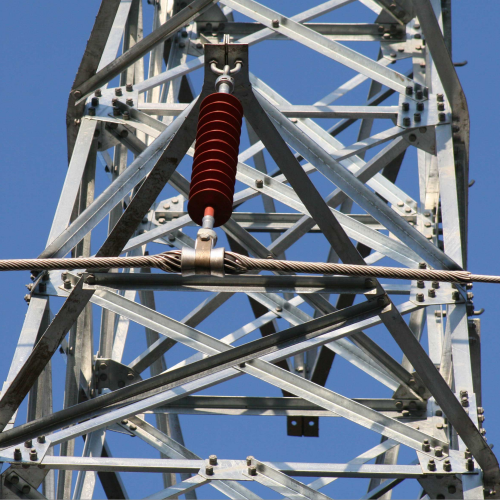
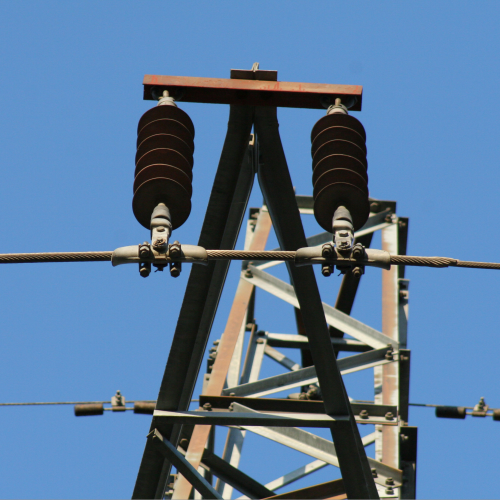
The connection part of the wire and the fittings is the key area for the installation of spiral vibration damper, because this part is the place where the vibration stress of the wire is most concentrated. When the wire vibrates, the metal fittings as the fixed end will limit the displacement of the wire, resulting in greater bending stress and fatigue damage at the connection between the wire and the metal fittings. This is also a high-incidence area of wire strand failure. Therefore, spiral vibration damper is usually installed on both sides of the wire close to the fittings, and the specific distance needs to be determined according to the type of fittings and the diameter of the wire.
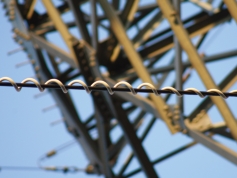
Apart from the key installation areas near the hardware, special sections of the conductor also need to be specifically fitted with spiral vibration dampers. In large-span line segments such as rivers and valleys, the span of the wire usually exceeds 300 meters. Due to the large weight and span of the wire itself, it is more likely to produce large vibration and swing under the action of wind, and the vibration energy will be transmitted along the length of the wire, resulting in significant stress concentration in the middle of the wire. For this type of line section, in addition to installing spiral vibration damper near the fittings at both ends, one will be added every 50 to 80 meters in the middle of the wire to weaken the transmission of vibration energy through multi-point suppression.
The installation location of spiral vibration damper also needs to be dynamically adjusted in combination with the design parameters of the line and the actual operating environment, and it does not follow a fixed standard. In ultra-high voltage lines with larger wire diameters, due to the greater stiffness and weight of the wire and the relatively low vibration frequency, the installation distance of spiral vibration damper will be appropriately shortened to match the vibration characteristics of the wire. In distribution lines with smaller wire diameters, the vibration frequency is higher, and the installation distance will be extended accordingly. At the same time, meteorological conditions are also an important basis for adjustment. In areas with strong winds of more than 8 meters per second all year round, spiral vibration damper will be installed closer to the metal fittings to enhance the suppression effect of high-frequency vibration by shortening the distance. In areas where the wind speed is small but the wind direction is changeable, the number of spiral vibration dampers installed will be appropriately increased to cope with airflow disturbances in different directions. The relevant standards of the international power industry also clearly stipulate that the installation location of spiral vibration damper needs to be determined through on-site vibration testing and simulation calculations to ensure a high degree of matching with the actual vibration of the line.