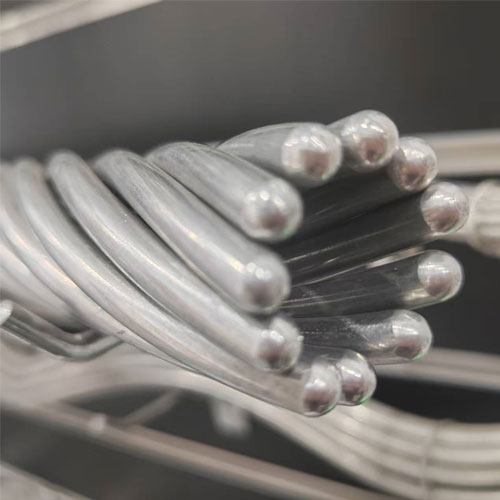
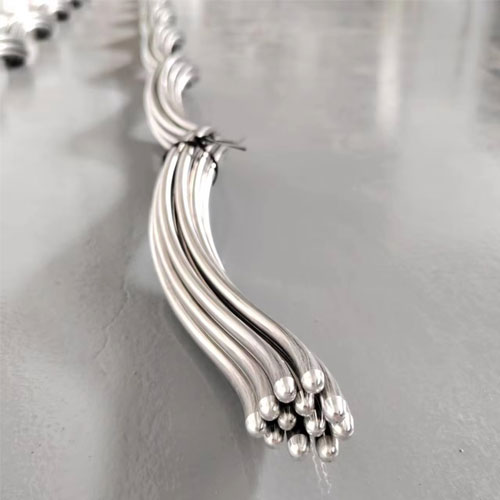
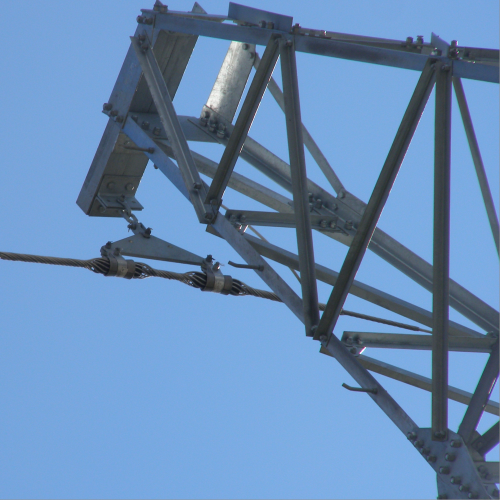
From the functional point of view, the main role of suspension clamp for OPGW cable is to achieve reliable connection and precise positioning between the OPGW optical cable and the transmission tower. Unlike ordinary overhead wires, OPGW optical cables have integrated optical fiber units inside. Its structure is more precise, and its tensile and bending resistance are strictly limited. If the suspension device is subjected to uneven force or positioning deviation, it is very easy to cause the internal optical fiber to break, thereby interrupting the power grid dispatching communication and fault monitoring signals. Through the optimized mechanical structure design, the high-quality suspension clamp for OPGW cable can evenly distribute the tension of the OPGW cable to the fixture body and the connection point of the tower. At the same time, the adjustable positioning assembly allows the cable to maintain a preset arc and direction after mounting, avoiding the collision and friction between the cable and the tower components due to external factors such as wind deflection and icing, and reducing the risk of damage to the cable from the root cause.
In dealing with the challenges of complex natural environments, the protective role of suspension clamp for OPGW cable is very critical. Global transmission lines are widely distributed in diverse geographic areas such as mountains, coasts, and deserts, and face extreme conditions such as high temperature exposure, high humidity salt spray, low temperature icing, and strong wind vibration. Taking coastal areas as an example, high-concentration salt spray will accelerate the corrosion of metal components. If the protective performance of the suspension fixture is insufficient, corrosion of components and loose bolts may occur in the short term, and the carrying capacity of the fixture may decrease in the long term, causing the OPGW optical cable to fall. Professional suspension clamp for OPGW cable will be made of hot-dip galvanized, zinc-aluminum alloy coating or stainless steel, and sealant pads will be installed on key connection parts to form a full range of anti-corrosion and anti-oxidation protection, so that the fixture can maintain a stable service life in harsh environments, greatly reducing line operation and maintenance costs.
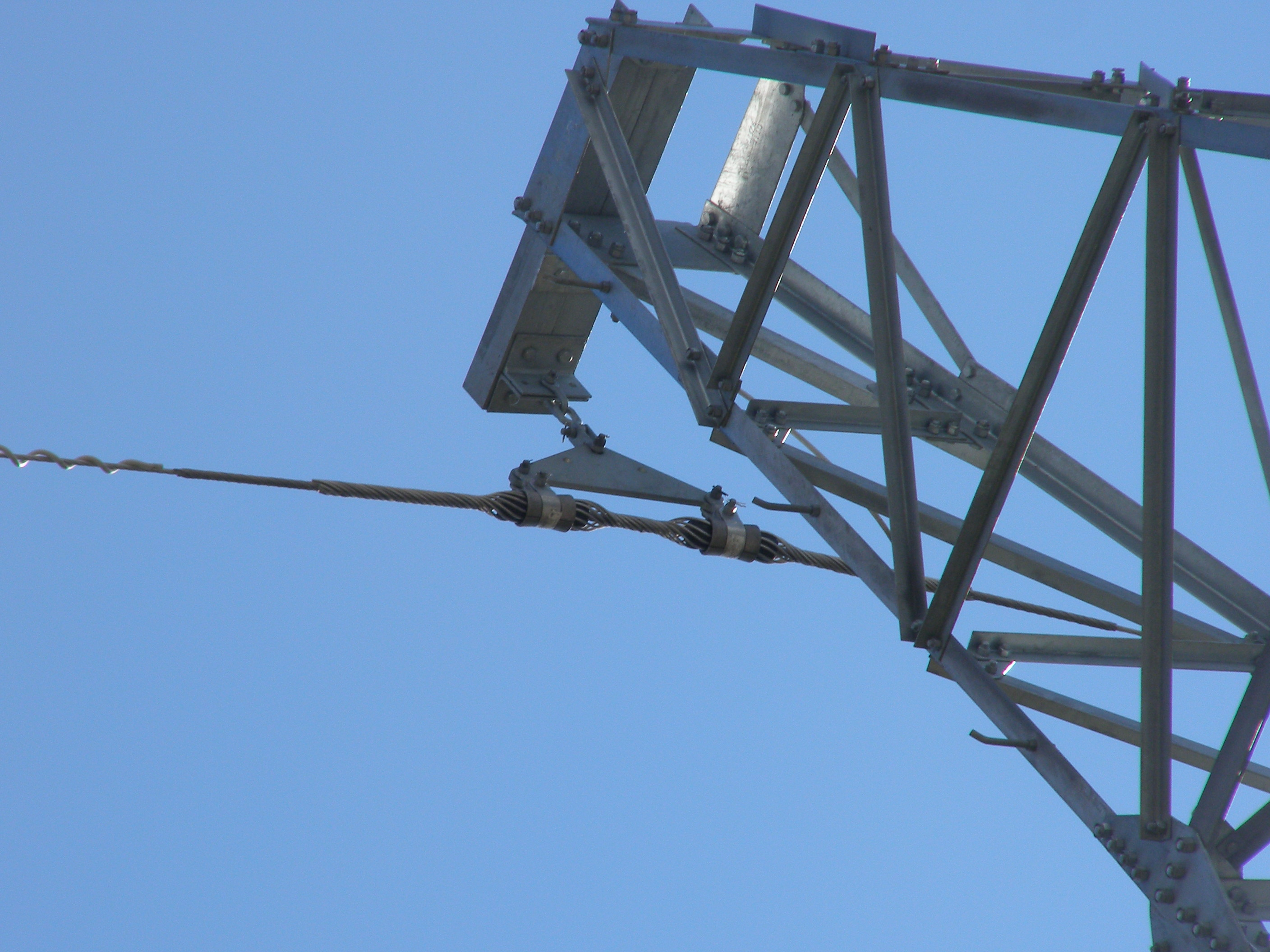
In addition, suspension clamp for OPGW cable also assumes an important role in adapting to the dynamic operating conditions of the line and ensuring system compatibility. During the operation of the transmission line, thermal expansion and contraction will occur due to changes in ambient temperature, resulting in dynamic fluctuations in the tension of the OPGW optical cable. At the same time, when the line is repaired or the fault is repaired, it is also necessary to temporarily fix and adjust the optical cable through the suspension fixture. The high-quality suspension clamp for OPGW cable will design an elastic buffer structure that allows the optical cable to be displaced axially and radially within a certain range to avoid the impact of tension mutations on the optical cable. In addition, the interface size of the fixture will strictly follow the relevant standards of the International Electrotechnical Commission, compatible with different brands and specifications of OPGW optical cables and tower connectors, and reduce construction delays and cost increases caused by incompatible equipment.
At present, our suspension clamp for OPGW cable has been successfully applied to more than 20 key projects around the world such as Southeast Asia's cross-sea transmission project and the European smart grid upgrade project. Relying on stable performance and timely after-sales service, we have won long-term recognition from many customers. If you are looking for a high-reliability and high-compatibility OPGW suspension solution for a transmission line project, please feel free to contact us, we can provide you with free technical parameter matching services.