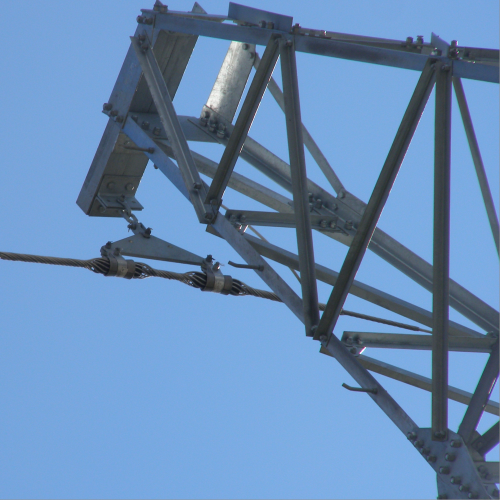
01 Basic Requirements for Terminal Grips in High-Voltage LinesHigh-voltage lines operate under high tension and complex environmental conditions. Improper selection will compromise the safety and stability of the entire line.
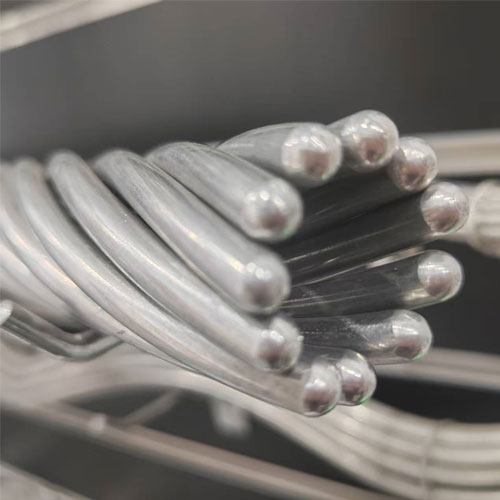
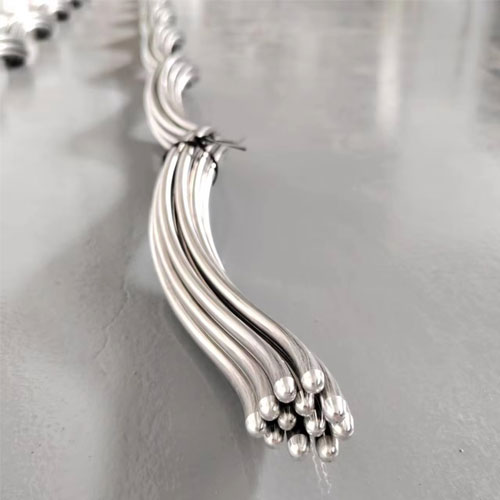
02 Product Function, Working Principle & Key Selection ParametersPreformed dead-end guy grips secure guy wires and transfer tension. Their preformed structure enables even force distribution to reduce conductor damage.
Match the rated tensile strength
Fit the conductor diameter and specifications
Verify mechanical strength and anti-slip performance
03 Common Selection Issues & Risks
Insufficient tensile rating leading to slippage
Mismatched specifications causing installation failure
Inferior materials shortening service life
04 Conclusion & Procurement RecommendationsFollow the three core principles: parameter matching + working condition adaptation + reliable quality.Choose the appropriate model based on your project conditions, or consult our technical support team.
Cases
01:A 220kV line in Xinjiang suffered 3 cable slips within a year with conventional clamps. After switching to our preformed dead-end guy grips, the evenly distributed tension and temperature-compensating design kept the system stable for over 18 months without issues. No slippage, no damage, just reliability.
02:In a mountainous high-voltage line project, our preformed grips withstood multiple severe wind and rain events without any loosening or conductor damage. Nearby lines using traditional hardware suffered 3 slip incidents, proving how evenly distributed tension and anti-slip design make all the difference.
03: At the Zhangbei ±500kV HVDC project, our preformed guy grips operated flawlessly under extreme tension (3000A) for 3 years. No strand breaks, no failures — just consistent performance even in harsh conditions, avoiding costly repairs (which can exceed $270k for a single incident).
✅ Step-by-Step Installation Tips
Prep First
Verify the grip matches your guy strand’s diameter, material, and lay direction. Clean all dirt/oil from the strand to ensure full contact.
Wrap Correctly
Align the grip’s start mark, then wrap evenly by hand (no tools needed). Follow the strand’s lay direction, keep preformed rods parallel, and avoid crossing or twisting.
Secure & Check
Ensure the loop sits firmly in the thimble clevis. Double-check that the entire grip is tightly fitted with no gaps or loose ends.
🔍 Essential Maintenance Practices
Regular Inspections: Check every 6–12 months for slippage, corrosion, or loose connections.
Tension & Condition: Monitor grip tension and strand wear. If you need to re-tension the guy within 3 months, the grip can be removed and reapplied twice max. After that, replace it.
Prevent Corrosion: Ensure galvanized/aluminum materials are matched to avoid galvanic corrosion. Keep the area around the grip free of debris.
⚠️ Poor installation or neglected maintenance can lead to slippage, conductor damage, or even line failure. Follow these steps to keep your high-voltage lines safe and stable for years.
#PowerLineMaintenance #ElectricalSafety #TransmissionHardware #UtilityTips