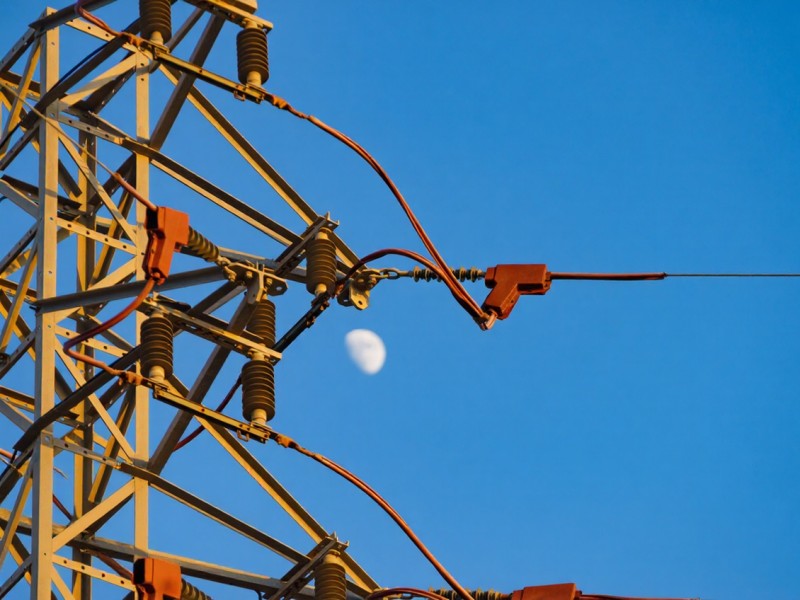
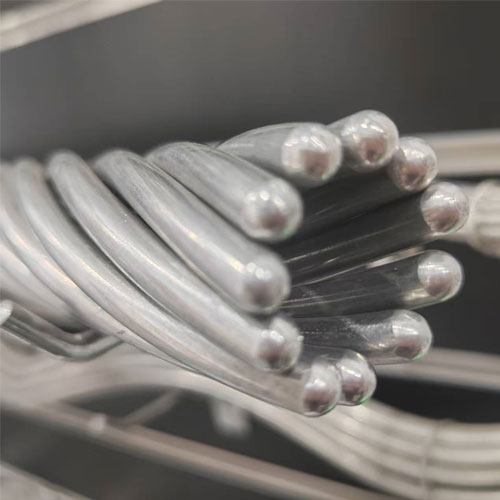
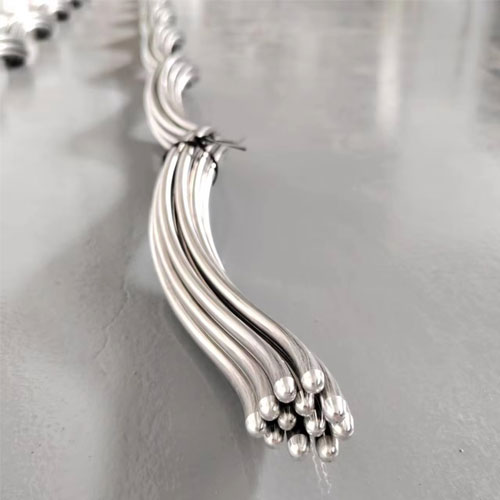
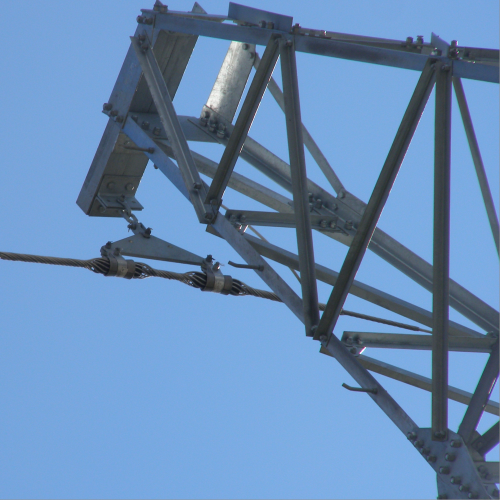
In power transmission and telecommunication line construction, suspension clamps are essential fittings used to secure conductors or optical cables. Choosing the right suspension clamp model not only improves line stability but also ensures the long-term safety and reliability of the transmission system. Therefore, understanding the basic knowledge and selection methods of suspension clamps is crucial before purchasing and installation.
1. Basic Concept of Suspension Clamps
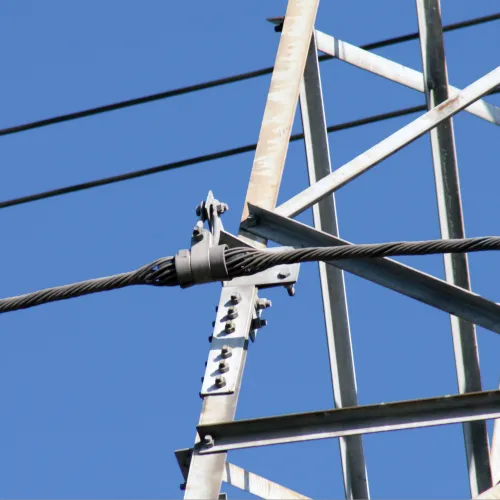
A suspension clamp is a type of power line fitting used to attach conductors or optical cables to pole or tower structures. It typically consists of a clamp body, fastening bolts, and washers. Its primary function is to support the weight of the conductor or cable while maintaining a stable suspension position on the tower or pole.
Because different line structures and conductor specifications require different configurations, suspension clamps are available in a variety of models and sizes. Therefore, selecting the appropriate model based on the actual application conditions is essential.
2. Application Scenarios of Suspension Clamps
Suspension clamps are widely used in power transmission lines, telecommunication networks, and transportation infrastructure projects. They are mainly used to connect transmission towers, steel poles, or concrete poles with conductors, cables, and other line hardware.
Since suspension clamps directly bear mechanical loads during line operation and play an important role in maintaining line stability and safety, it is necessary to select the correct model and specifications during engineering design and construction.
How to Select the Appropriate Suspension Clamp Model
1. Determine the Specifications of the Pole and Conductor
Before selecting a suspension clamp, it is important to confirm the specifications of the pole or tower structure and the conductor or cable. Factors such as conductor diameter, cable type, and installation position can significantly affect the selection of the suspension clamp model.
2. Choose the Appropriate Model Based on Line Parameters
Based on the conductor or cable size and the design parameters of the line, consult with the supplier to determine the most suitable suspension clamp model. During the selection process, particular attention should be paid to the following factors:
Clamp structure design
Material and strength of fastening bolts
Load-bearing capacity of the clamp
Installation method and compatibility
These factors will directly influence the installation performance and long-term reliability of the suspension clamp.
3. Check Whether All Components Are Complete
When purchasing suspension clamps, it is important to ensure that all components are included. A standard set usually contains:
Clamp body.
Fastening bolts.
Washers and other connecting accessories.
Missing components may affect installation quality and the safe operation of the line.
4. Precautions for Using Suspension Clamps
To ensure long-term and stable operation, the following points should be considered during installation and use:
Inspect the Product Before Installation
Before installation, check whether the clamp body, bolts, and washers are in good condition. Proper cleaning and anti-corrosion treatment should also be carried out if necessary.
Follow the Correct Installation Procedures
During installation, pay attention to the correct orientation and position of the clamp. The installation should strictly follow the technical guidelines provided by the manufacturer.
Perform Regular Inspection and Maintenance
During line operation, suspension clamps should be inspected regularly for looseness, wear, or corrosion. Any issues should be addressed promptly through maintenance or replacement.
Conclusion
Selecting the appropriate suspension clamp model is a key factor in ensuring the safe and reliable operation of power transmission and telecommunication lines. When choosing a suspension clamp, factors such as pole structure, conductor or cable specifications, and line design parameters should be carefully considered, while also ensuring that all components are complete.
Proper installation and regular inspection can significantly improve line reliability and extend the service life of the equipment.