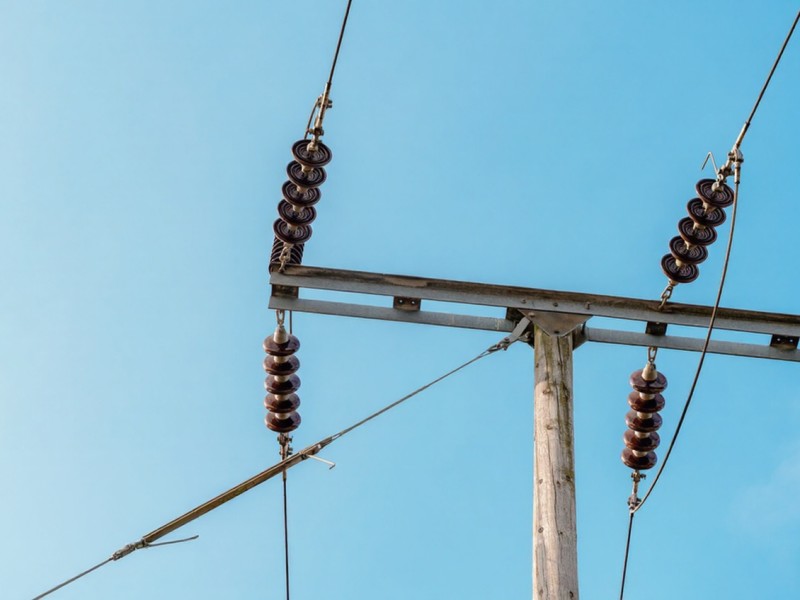
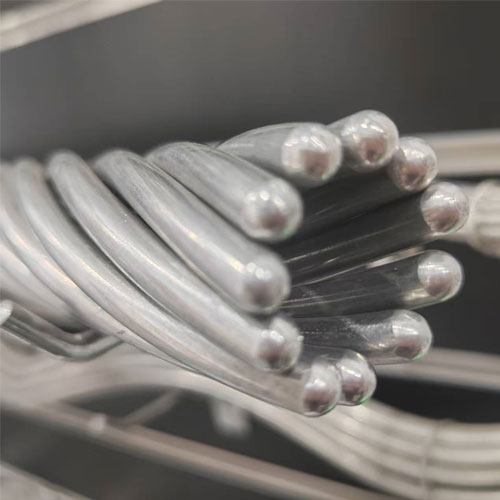
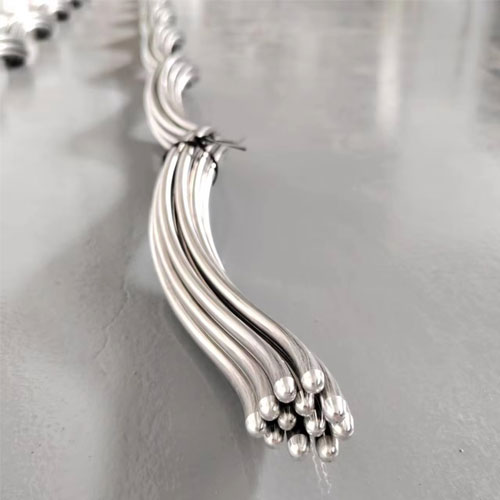
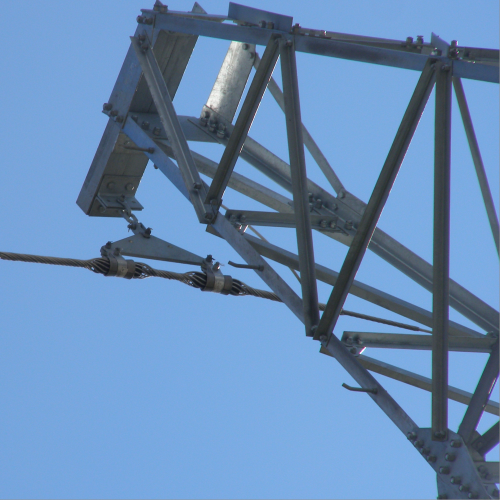
In power and telecommunications engineering, the prepared conductor strain clamp is a key component for ensuring the stability of conductors and optical cables and extending the lifespan of lines. For purchasers, correctly selecting the tension clamp can not only reduce construction and maintenance costs but also improve project safety and reliability. The following information will help you better choose this type of product.
Before purchasing a formed conductor tension clamp, the primary task is to understand the basic conditions of the circuit:
Conductor type: Is it ACSR (aluminum-clad steel), aluminum stranded wire, or aluminum alloy stranded wire?
Conductor diameter: Ensure the tension clamp's compatibility range covers both the minimum and maximum diameters.
Tension requirements: Line span, wind load, and snow/ice load will affect the tension clamp's load-bearing capacity.
Properly matching the conductor type and size ensures that the clamp can withstand the actual tension of the line, avoiding slippage and fatigue damage caused by being too tight or too loose.
The most important indicators for buyers are the maximum load-bearing capacity and fatigue life of the tension clamp:
High-quality prepared conductor tension clamps should be able to withstand ≥95% of the conductor's rated tensile force, ensuring safe operation of the line in extreme environments.
Material strength and corrosion resistance determine the product's service life; hot-dip galvanized steel wire or aluminum-clad steel are common and preferred materials.
Choosing products that comply with international or local standards (such as ASTM, IEC, GB) is crucial for ensuring construction safety and project compliance.
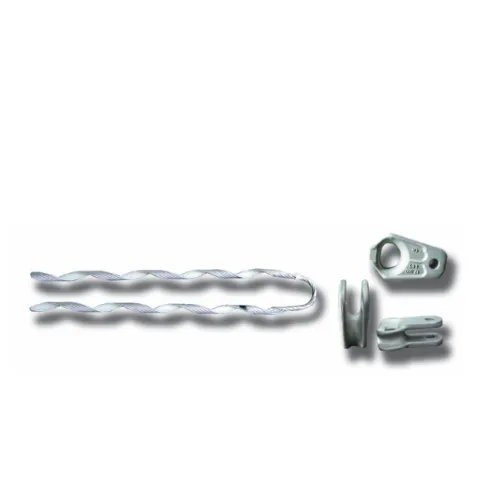
Construction efficiency is a crucial factor in procurement decisions:
Preformed designs allow for manual screw-on installation along the conductor, eliminating the need for hydraulic or crimping tools.
The installation process does not damage the conductor itself, reducing on-site operational risks.
For large-scale projects, this can significantly reduce construction time and labor costs.
When selecting, buyers should compare the installation methods and ease of construction of different products to improve project efficiency.
Overhead power lines may traverse harsh environments such as mountainous areas, coastal regions, or deserts. Therefore:
Preformed conductor tension clamps should possess corrosion resistance, aging resistance, and abrasion resistance.
They should maintain tension even under high temperatures, strong winds, snow, and ultraviolet radiation.
The stronger the weather resistance, the lower the line maintenance cost and the higher the overall return on investment.
When procuring large quantities of prepared conductor tension clamps, supply stability and technical support are crucial:
1. Does the manufacturer have sufficient inventory and the ability to deliver quickly?
2. Does the manufacturer provide installation guidance, technical consultation, or standard certification support?
3. How quickly after-sales issues are addressed to ensure smooth project completion.
These factors directly impact procurement decisions and long-term maintenance costs.
Vilun's prepared conductor tension clamp excels in these key selection indicators:
High strength load: Withstands ≥95% of conductor breaking strength, ensuring line safety.
Superior materials: Made of hot-dip galvanized steel wire or aluminum alloy, corrosion-resistant and weather-resistant, adaptable to various environments.
Wide compatibility: Covers various conductor types and diameters, suitable for global overhead line standards.
Easy installation: Pre-formed spiral design, no special tools required, rapid installation.
Supply guarantee: Stable production capacity and ample inventory, rapid global delivery, and technical support.
These features allow purchasers to more easily select tension clamps suitable for their project needs, reducing risks and improving construction efficiency and line safety.