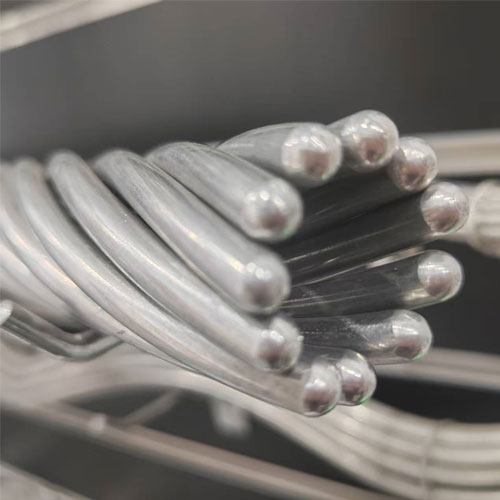
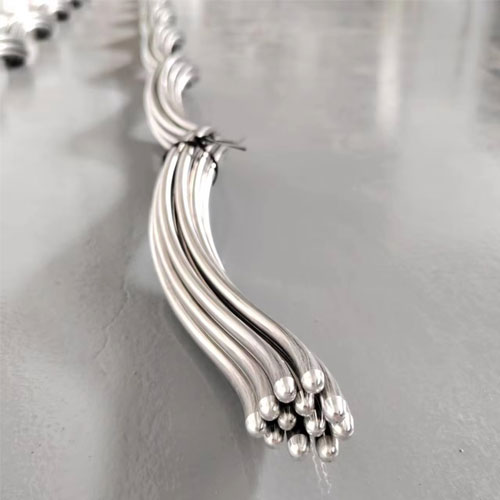
Preliminary preparations must be made before using suspension clamp for OPGW cable, which is the basis for ensuring the quality of subsequent installations. First of all, you need to understand the adaptability of the fixture selection. Different types of OPGW optical cables correspond to different specifications of suspension fixtures. You need to choose matching fixtures according to the optical cable parameters and tower type to avoid unstable fixation or uneven force of the optical cable due to inconsistent models. Then you need to check the appearance and performance of the fixture. The high-quality suspension clamp for OPGW cable should have no defects such as cracks, deformation, and coating shedding. The key components need to be intact and not missing, and the hardness and elasticity of the rubber liner need to meet the standards. So that the fixture can buffer the vibration of the optical cable and avoid wear. At the same time, special installation tools must be prepared. Among them, the torque wrench needs to be calibrated in advance to make the bolt fastening torque meet the design requirements, so as to avoid loosening or excessive torque damage to the fixture due to insufficient torque.
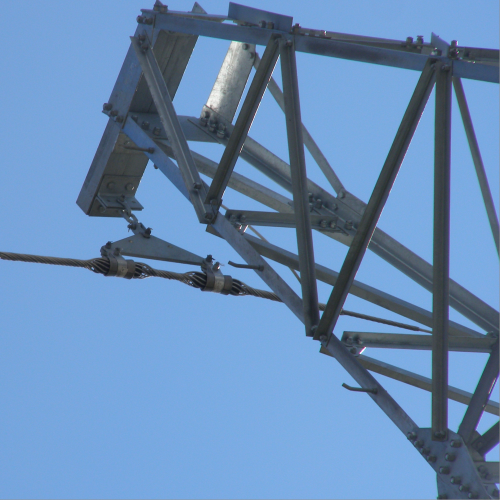
When entering the actual installation process, it is necessary to strictly follow the standardized operating logic to avoid damage to the OPGW optical cable. The first step is to fix the fixture on the side of the tower. You must first install the base parts of the fixture at the designated location of the tower, use the level meter to adjust the level of the base so that the error does not exceed 1°, and then use bolts to fasten the base and the tower horizontally. When fastening, it is necessary to tighten diagonally in batches to prevent deformation of the base. The second step is the suspension and positioning of the optical cable. The OPGW optical cable is smoothly towed to the suspension point by the optical cable release pulley to avoid friction between the optical cable and the tower and the fixture. Put the optical cable into the rubber liner groove of the fixture and adjust the position of the optical cable so that the optical cable has no offset and no torsion in the fixture, and the center of the fixture and the center of the tower hanging point are on the same vertical line, and the deviation does not exceed 5mm. This step is very important. If the positioning deviation is too large, it will cause the optical cable to withstand additional lateral stress for a long time and accelerate the aging of the optical fiber. The third step is the installation and fastening of the upper cover of the fixture. Cover the upper cover of the fixture, insert the bolts and put on the spring washer, first screw it by hand to fit, and then use a torque wrench to tighten it according to the design torque. During the fastening process, the state of the optical cable needs to be observed in real time to avoid local deformation of the optical cable due to uneven force.
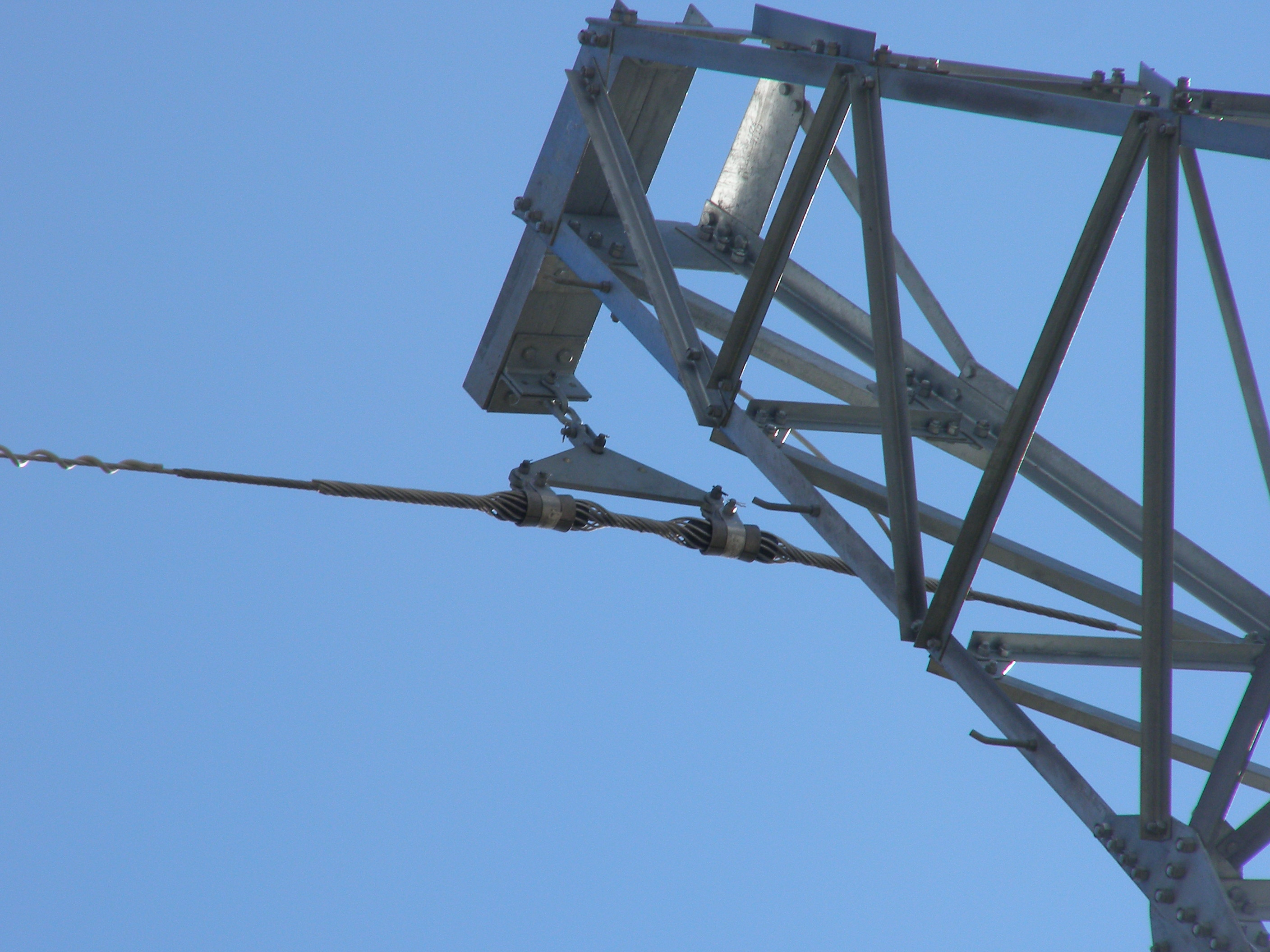
Debugging and inspection after the installation is completed are important steps to verify the effectiveness of the fixture and eliminate hidden dangers. First, the suspension clamp for OPGW cable needs to be visually inspected, then the suspension clamp for OPGW cable needs to be tested for mechanical properties, and finally the suspension clamp for OPGW cable needs to be tested for optical fiber performance. In addition, the late maintenance of suspension clamp for OPGW cable is also very important, which is an important guarantee to extend the service life of the clamp and optical cable. During daily inspections, the appearance status of the fixture needs to be checked regularly, focusing on whether the rubber liner is aging or cracking, and whether the bolts are rusted or loose. If the liner is found to be aging and needs to be replaced in time, the bolts need to be rusted and applied with anticorrosive grease. At the same time, it is also necessary to establish a fixture maintenance file to record the time of each inspection, the problems found and the treatment measures, and provide data support for subsequent maintenance. For fixtures that have been in operation for more than 10 years, a comprehensive mechanical performance evaluation is required and replacement is required if necessary to avoid safety risks caused by the aging of the fixture.
For buyers, choosing the correct suspension clamp for OPGW cable and mastering the method of use is the key to ensuring the safe and stable operation of OPGW cable. Our suspension clamp for OPGW cable not only has excellent performance and reliable quality, but also helps customers avoid installation and maintenance risks and reduce operation and maintenance costs through professional technical services.