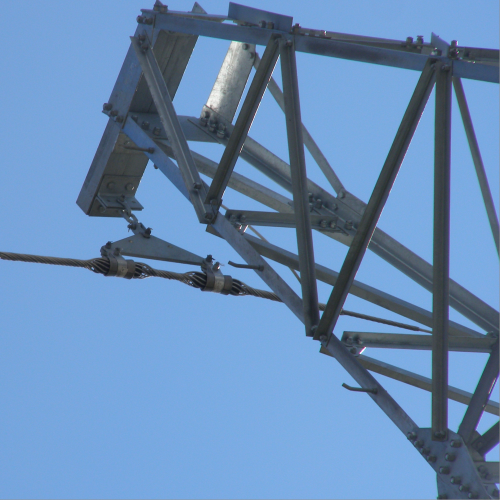
Introduction to the Structure and Application of Preformed Suspension Clamps
In power transmission lines and fiber optic communication networks, suspension clamps are essential line fittings used to support conductors and optical cables. Traditional suspension clamps used in power line hardware are generally divided into two types: boat-type suspension clamps and preformed suspension clamps.
Compared with traditional designs, preformed suspension clamps provide better protection for conductors and optical cables. As a result, they are widely used in modern power transmission systems and fiber optic communication projects.
A preformed suspension clamp is mainly used to suspend and secure optical cables or conductors on transmission line towers or poles, serving as an important fitting connecting the cable to the tower structure. Through its special preformed rod structure, the clamp can effectively distribute the static stress at the suspension point of the cable, while also assisting in vibration reduction and suppressing the dynamic stress caused by wind-induced vibration. This helps protect the optical cable and extend its service life.
This product is commonly used with ADSS cables, OPGW cables, and various overhead conductors. It is typically installed on straight-line towers or small-angle angle towers, ensuring stable suspension and long-term safe operation of transmission lines.
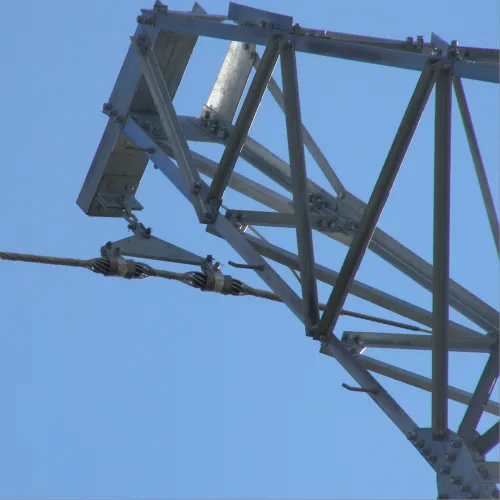
Components of a Preformed Suspension Clamp
A preformed suspension clamp is composed of several key components, each playing an important role in protecting the cable and maintaining the stability of the line system.
1. Aluminum Clamp Housing Assembly
The aluminum clamp housing is made from corrosion-resistant aluminum alloy. It offers stable chemical properties and excellent resistance to atmospheric corrosion. In addition, the material provides good mechanical strength, ensuring long-term structural stability in outdoor environments.
2. Rubber Clamp Insert Assembly
The rubber clamp insert is manufactured from high-performance rubber materials and features the following advantages:
Excellent ozone resistance
Strong chemical corrosion resistance
Outstanding weather and aging resistance
Stable performance under both high and low temperatures
High strength and elasticity
Low permanent compression deformation
This component effectively protects the outer sheath of the optical cable and reduces mechanical wear.
3. Hot-Dip Galvanized Fastening Components
The fastening parts used in power line fittings are typically hot-dip galvanized steel components, including:
Bolts
Spring washers
Flat washers
Nuts
Hot-dip galvanizing improves the corrosion resistance of these components, making them suitable for long-term outdoor applications.
4. Cotter Pin
The cotter pin is a standard power hardware component used to prevent fasteners from loosening and to enhance the safety and reliability of the overall structure.
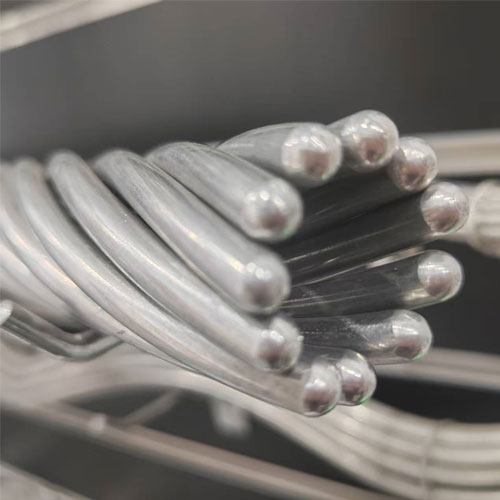
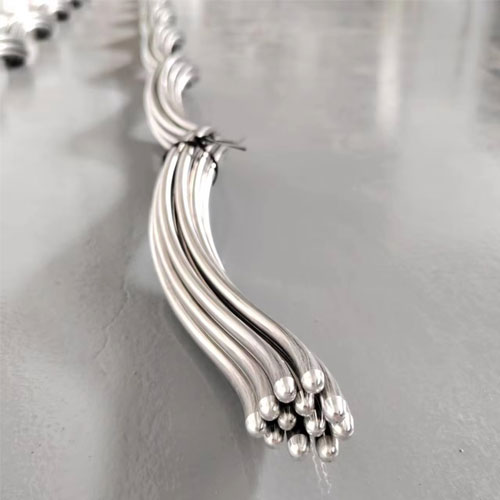
5. Preformed Armor Rods
The armor rods are made from high-strength aluminum alloy wire, manufactured according to specific mechanical properties and chemical compositions. Their main features include:
High tensile strength
Good hardness and elasticity
Excellent anti-corrosion performance
Long-term durability in harsh environmental conditions
Armor rods increase the contact area between the cable and the clamp, thereby reducing localized stress.
6. Outer Preformed Rods
The outer preformed rods are made of the same material as the armor rods. They further enhance the fixation and stability of the cable while helping distribute mechanical stress more evenly.
7. Power Line Connection Hardware
Suspension clamps are connected to towers or poles using various hardware fittings, commonly including:
U-shackle
U-bolt
UB type clevis plate
ZH type shackle
These fittings work together to ensure a secure connection between the optical cable and the tower structure.
Double Suspension Clamp Configuration
In some engineering applications, a double suspension clamp structure is used. The standard configuration generally includes:
Preformed armor rods
Outer preformed rods
Two suspension heads
Two PS-type clevis plates
Double suspension link plates
U-shackle
U-bolt
Depending on specific line design requirements, some connecting components can also be customized or optionally configured.