During the operation of overhead transmission lines, conductors are continuously subjected to various external factors, such as wind vibration, mechanical stress, and contact friction from clamps. Without effective protective measures, this can gradually lead to conductor wear, metal fatigue, and even strand breakage, thus affecting the safe operation of the transmission line.
To reduce these potential risks, the power industry typically installs Preformed Armor Rods at critical locations. This simple yet highly effective line hardware forms a protective layer on the conductor surface, extending the conductor's service life and improving the overall reliability of the line.
The main causes of conductor wear in overhead transmission lines are
1. Frictional wear caused by clamp contact. Long-term contact occurs between the conductor and the hardware at suspension clamps or tension clamps. When the conductor undergoes slight displacement due to wind or temperature changes, continuous friction can occur at the contact point, leading to surface wear.
2. Metal fatigue caused by wind vibration. In overhead lines, conductors experience slight vibrations due to wind. If this vibration persists for a long time, stress concentration will form at fixed locations on the conductor, gradually leading to metal fatigue.
3. Mechanical stress concentration is also a significant factor causing conductor damage. When a conductor is subjected to significant bending or tensile force at a fixed point, the stress in the localized area increases markedly, accelerating material aging and damage.
If these problems are not effectively mitigated, they may ultimately affect the safety and stability of the transmission line.
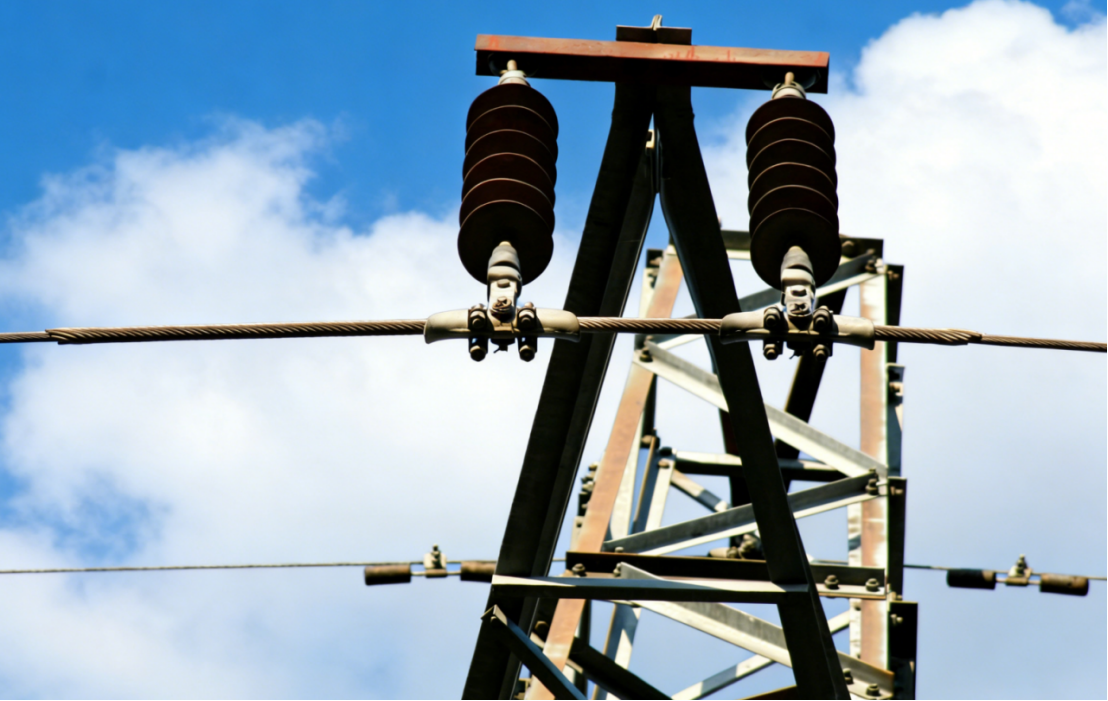
Working Principle of Preformed Armor Rods
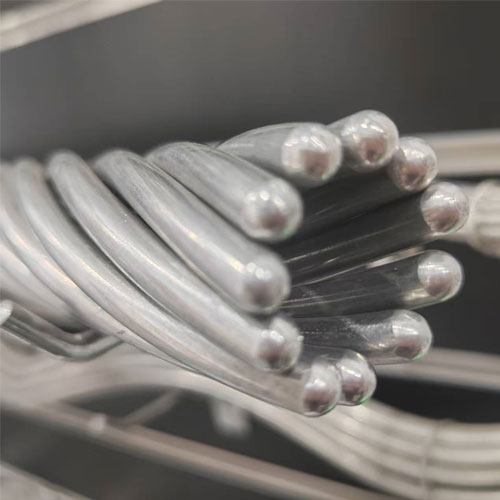
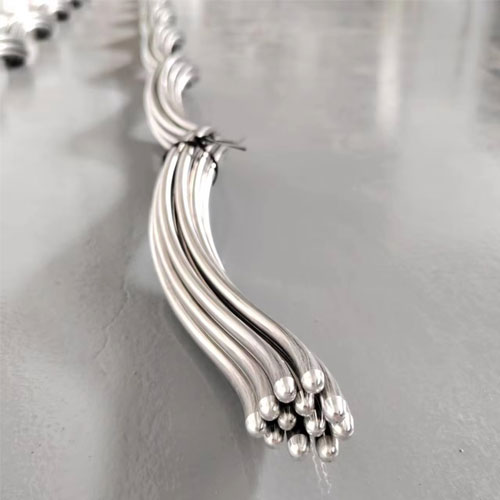
Preformed Armor Rods are conductor protection fittings with a helical design. They consist of multiple pre-formed metal wires wound in a helical pattern around the conductor, forming a tightly fitting protective layer.
1. Stress Dispersion and Increased Contact Area: When the conductor is subjected to external forces, the guard rod disperses the mechanical stress originally concentrated at a single point over a wider area, thereby reducing localized stress.
2. The guard rod itself forms a protective barrier, reducing direct friction between the conductor and the clamp, effectively reducing wear on the conductor surface.
3. The helical structure also has a certain degree of elasticity, which can absorb the impact of conductor vibration to some extent, thus mitigating fatigue damage caused by long-term vibration.
Typical Installation Locations of Preformed Armor Rods
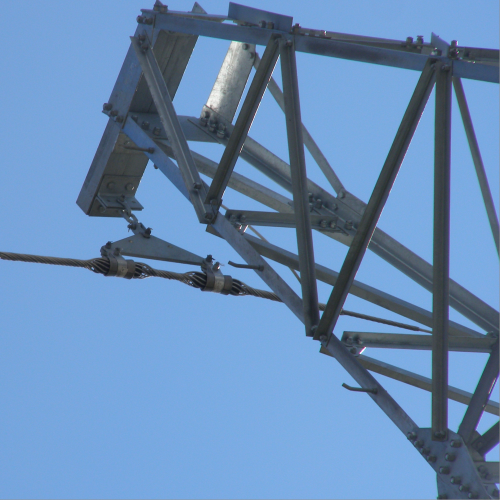
In practical engineering applications, Preformed Armor Rods are typically installed in the following key locations:
Suspension clamp locations
Tension clamp locations
Conductor joint locations
Transmission line crossing sections
These locations are often where the conductor experiences significant stress or is prone to friction, and are therefore the areas most in need of protection. Installing protective rods at these critical points can significantly improve the safety of line operation.
For power engineering projects, selecting appropriate line protection hardware can not only improve system stability but also reduce later maintenance costs. If you are looking for cost-effective and high-quality Prepared Armor Rods products, please contact us for more information. Our technical team can also provide you with professional product advice and customized solutions based on the specific needs of different transmission lines.