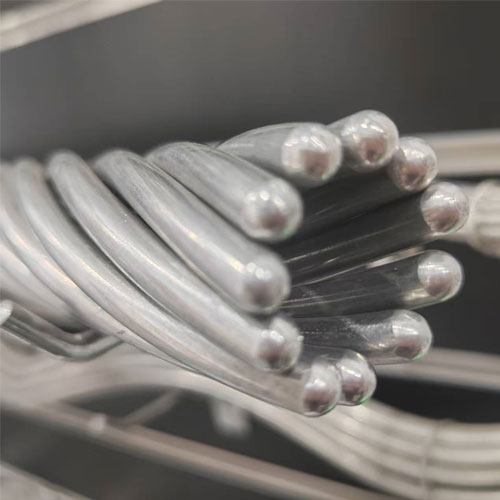
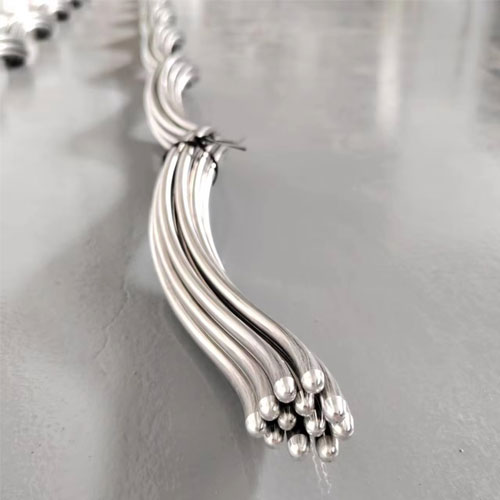
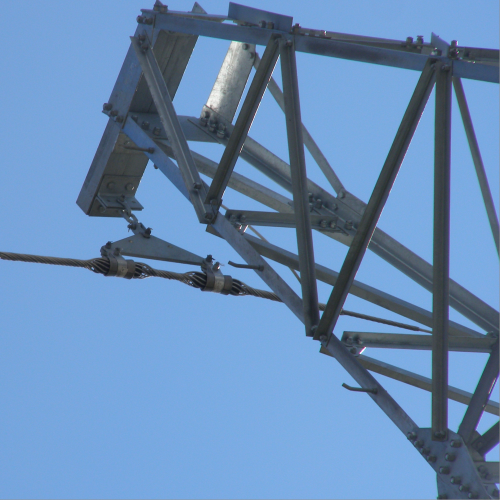
Preformed Armor Rods are crucial hardware for protecting conductors during the construction and maintenance of overhead transmission lines. They are typically installed at suspension clamps, tension clamps, or conductor joints to reduce conductor wear, distribute mechanical stress, and mitigate fatigue damage caused by wind vibration.
In actual engineering procurement, different transmission lines use varying conductor specifications, operating environments, and installation conditions. Inappropriate selection of Preformed Armor Rods can not only fail to achieve the desired protective effect but may also affect the long-term stable operation of the conductor. Therefore, multiple factors need to be considered when selecting preformed armor rods. Vilun, as a professional manufacturer, will introduce several key points to help engineering projects or procurement personnel select suitable armor rod products.
I. Selecting the Conductor Type
When selecting armor rods, it is necessary to confirm the type of conductor used in the transmission line. Different types of conductors have different structures and materials, resulting in different design requirements for the armor rods.
Common conductor types include:
ACSR (Aluminum Steel Cord Stranded Wire)
AAAC (All-Aluminum Alloy Wire)
OPGW (Optical Fiber Composite Overhead Ground Wire)
For example, in ACSR conductor applications, Preformed Armor Rods typically require materials compatible with the aluminum layer to avoid electrochemical corrosion between different metals. Therefore, the conductor type must be specified before procurement, and a protective rod product matching its structure must be selected.
II. Choosing the Appropriate Wire Diameter
Wire diameter is one of the most important parameters when selecting Prepared Armor Rods. Prepared Armor Rods use a helical design, and the inner diameter needs to precisely match the outer diameter of the wire. If the size is too large, the guard rod may slip, failing to effectively protect the wire; if the size is too small, it may increase installation difficulty or even damage the wire. When selecting products, the appropriate guard rod specification should be determined based on the actual outer diameter range of the wire. Usually, professional manufacturers provide corresponding wire models and applicable diameter range tables to ensure a tight fit between the product and the wire. Vilun has many years of experience in producing and collaborating with Prepared Armor Rods and can recommend specific product models based on different site conditions and wire types, allowing you to use them with confidence.
III. Choosing the Right Materials
The material of the conductor guard directly affects its service life and protective effect. Common materials include:
High-strength aluminum alloy
Aluminum-clad steel wire
In most conductor applications, conductor guards are typically made of high-strength aluminum alloy, which has good conductivity, corrosion resistance, and mechanical strength. It also has good compatibility with the outer aluminum wire of the conductor, effectively preventing electrochemical corrosion problems. In some special environments or engineering projects with high strength requirements, aluminum-clad steel may also be used to improve overall mechanical properties.
IV. Project Environmental Conditions
Transmission lines typically operate in various complex environments; therefore, the environmental conditions of the project site are a crucial factor to consider when selecting Prepared Armor Rods.
Coastal areas: Require stronger resistance to salt spray corrosion.
Industrial pollution areas: Require higher corrosion resistance.
High wind speed areas: Require better vibration resistance.
In these special environments, it is necessary to select rods with higher corrosion resistance or higher mechanical strength to ensure the long-term stable operation of the transmission lines.
If you are looking for Prepared Armor Rods suitable for conductors, please contact us for more information. Vilun's professional team can provide you with expert product advice and solutions based on the specific needs of different transmission line projects.