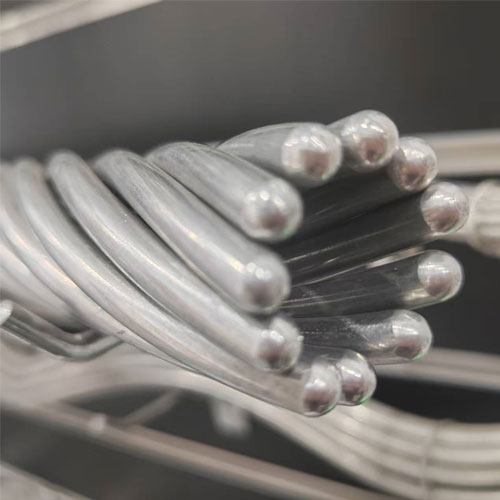
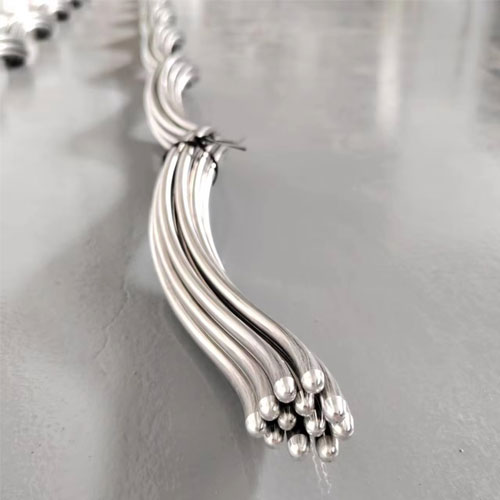
In overhead transmission line systems, conductors are subjected to various external factors during long-term operation. To protect the conductors and enhance the long-term stability of the line, Preformed Armor Rods are typically installed at critical locations in power engineering projects. By encasing the conductor with a helical structure, these armor rods effectively distribute mechanical stress, minimize friction and abrasion, and mitigate damage caused by vibration.
Suspension Clamps
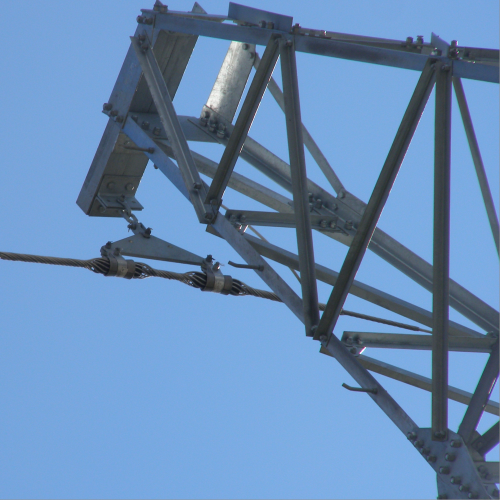
Suspension clamps constitute one of the most common conductor-securing structures in transmission lines; their primary function is to suspend the conductor from the crossarms of utility towers. At this junction, the conductor remains in continuous contact with the clamp over extended periods. When the conductor undergoes slight movement—triggered by wind forces or temperature fluctuations—persistent friction may arise at the contact interface. Absent any protective measures, the aluminum layer on the conductor's surface is susceptible to gradual abrasion. Installing Preformed Armor Rods at the suspension clamp location creates a protective buffer between the conductor and the clamp, thereby reducing friction and minimizing the risk of wear.
Strain Clamps
Strain clamps are typically installed at the terminal or angle positions of transmission lines, where they serve to withstand significant conductor tension. Due to the high mechanical loads borne at these locations, conductors are prone to stress concentration. Without effective protective measures, the conductor may suffer fatigue damage under prolonged mechanical stress. Installing Preformed Armor Rods in the vicinity of strain clamps expands the load-bearing area of the conductor, thereby dispersing mechanical stress and reducing the likelihood of conductor damage.
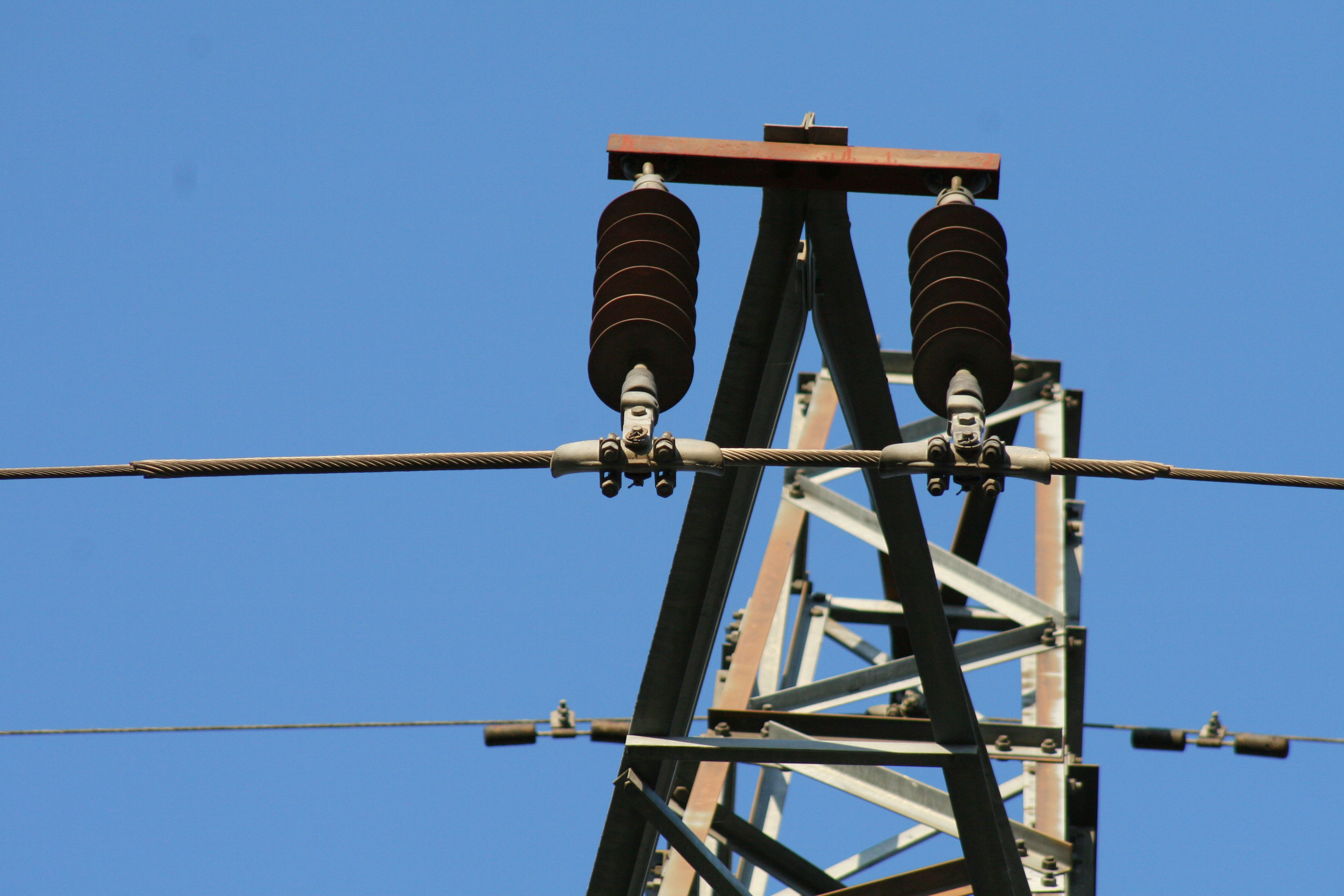
Conductor Splices
In certain transmission lines, conductor splices may be present due to construction or maintenance requirements. Conductor splices typically constitute a particularly sensitive area within the line. If the area surrounding a splice is subjected to vibration or friction, the stability of the connection point may be compromised. Therefore, installing Preformed Armor Rods near conductor splices effectively enhances the overall structural stability of the conductor while simultaneously mitigating the impact of vibration on the splice region.
Long-Span Line Sections
When traversing challenging terrain—such as rivers, valleys, or highways—transmission lines often feature significantly longer spans. In these areas, conductors are subject to more pronounced wind forces, making vibration issues particularly acute. Installing armor rods in these high-vibration zones can effectively mitigate fatigue damage caused by wind-induced vibration, thereby enhancing the operational reliability of the transmission line. Although compact in size, Preformed Armor Rods play a critical role in the protection of transmission lines.
By strategically installing armor rods at key locations—including suspension clamps, tension clamps, conductor splices, and long-span sections—it is possible to effectively minimize conductor abrasion, distribute mechanical stress, and reduce the risk of damage caused by vibration.
For power engineering projects, correctly selecting the installation locations for Preformed Armor Rods not only enhances the operational safety of the transmission line but also helps reduce long-term maintenance costs.
If you would like to learn more about Preformed Armor Rods—including product specifications or application solutions—we invite you to visit our product page:https://www.vilunfittings.com/product-preformed-armor-rods.html
Our team is ready to provide you with expert product recommendations and technical support tailored to the specific requirements of your transmission line project.