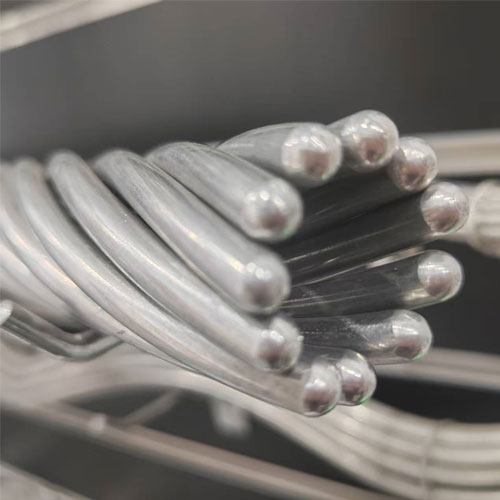
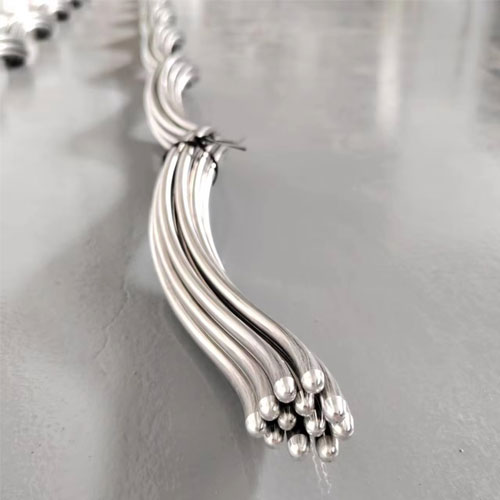
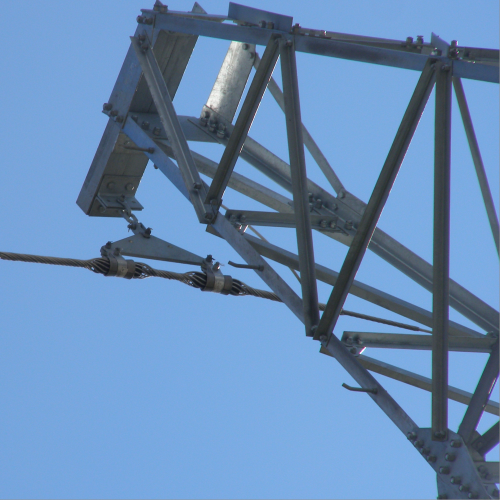
Protecting the wire from physical damage and environmental erosion is the most basic purpose of helical armor rods for overhead line. During the installation and operation of the transmission line, the contact area between the wire and the metal fittings is a high-risk area of damage. Under the traditional installation method, the rigid clamping of the metal fittings will squeeze the aluminum strands on the surface of the wire, while the vibration of the line will intensify the friction between the two, which can easily lead to wear and fracture of the aluminum strands in the long run, thereby affecting the electrical conductivity and mechanical strength of the wire. Helical armor rods for overhead line tightly fits the surface of the wire through a spiral structure, transforming the direct contact between the metal fittings and the wire into the contact between the guard line and the metal fittings, which can effectively disperse the clamping pressure and avoid local wear. At the same time, for different environments, the guardrail also has targeted protection capabilities. In coastal areas with high salt spray, corrosion-resistant alloy materials and special coated wire guards are used to prevent the erosion of the wire by salt. In mountainous areas with gravel roads, high-strength guardrail lines can resist the impact of falling rocks on the wires, fundamentally extending the service life of the wires.
Improving the mechanical properties and operating stability of transmission lines is another purpose of helical armor rods for overhead line. In long-span lines, the middle part of the wire has a large amount of sagging due to its own weight, and the local tension is concentrated. Once it encounters extreme weather such as strong winds and icing, the wire is prone to tensile deformation or even fracture. Helical armor rods for overhead line adopts the spiral winding design of multiple strands of high-strength stranded wires, which can form a solid overall structure with the wires, significantly improving the tensile strength and deformation resistance of the wires. In addition, in the transformation of old lines with minor wire damage, the protective line can strengthen and repair the damaged parts to avoid further expansion of the damage. The mechanical properties of the line can be restored without the overall replacement of the wire, and the stable operation of the line can be guaranteed. This is of great significance to reduce the difficulty of transformation and control the cost of the project.
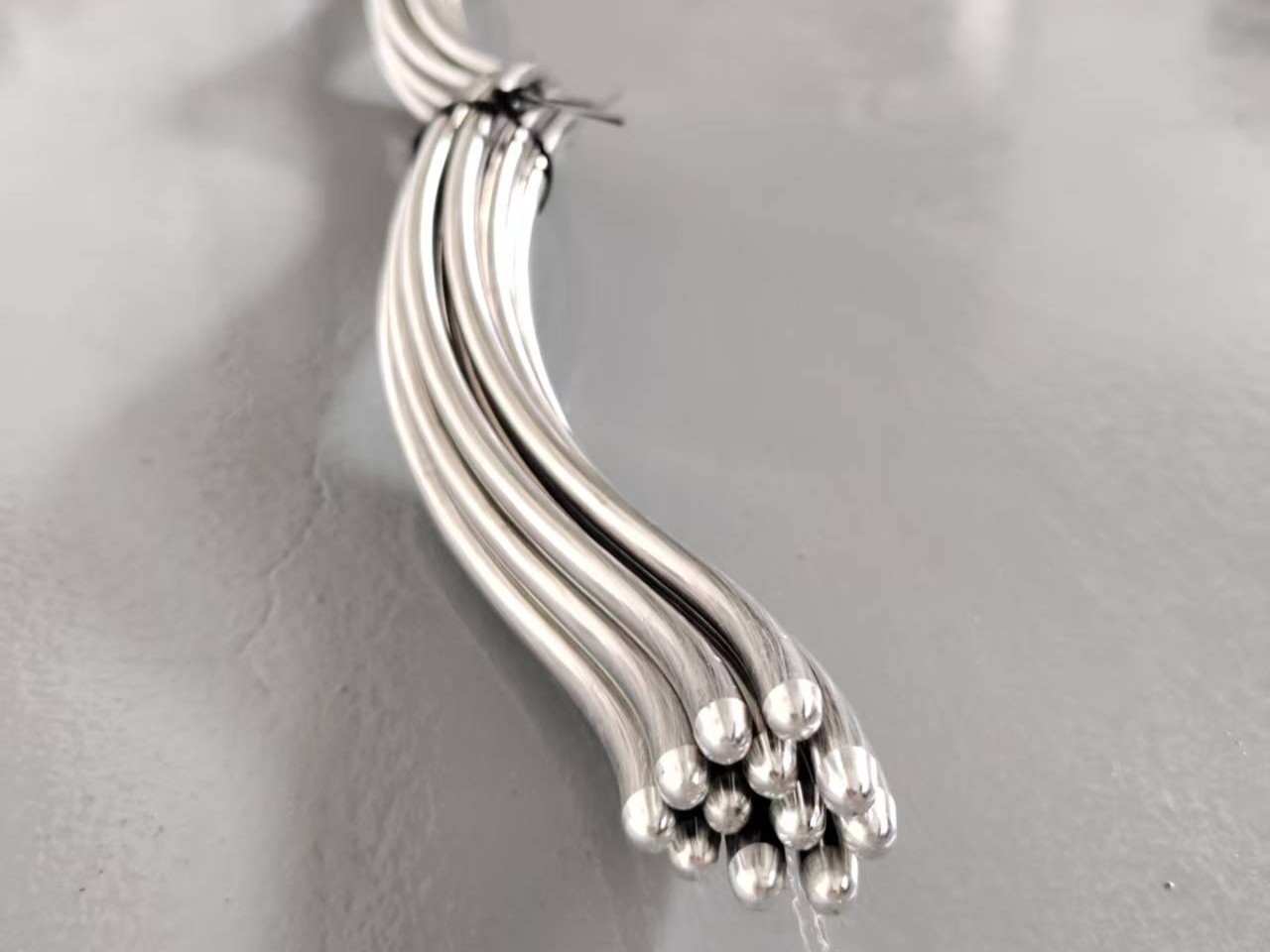
Reducing the operation and maintenance costs and safety risks of transmission lines is an important purpose of helical armor rods for overhead line from the perspective of practical application. There are obvious shortcomings in the traditional wire protection method. The installation of rigid wire guards is complicated, requires professional tools and technical personnel, and it is easy to cause protection failure due to loose bolts. Manual inspections and maintenance require frequent high-altitude operations, which not only have high operation and maintenance costs, but also have safety risks such as falling from high altitude and electric shock. The installation of helical armor rods for overhead line does not require complex tools. It can be fixed by spiral rotation by a single person. The installation efficiency is significantly improved compared with the traditional method, and the labor cost and time cost of the installation phase are greatly reduced.
As a supplier that has been deeply engaged in the field of electric power fittings for many years, our products have passed a number of international authoritative certifications. According to the circuit standards and environmental characteristics of different countries, we have established a full range of product systems covering low voltage to ultra-high voltage, ordinary environments to special environments, and can provide customized solutions according to customers' wire models, tension requirements, and operating environments.